

Thrombosis Models
Greentech offers a comprehensive portfolio of in vitro platelet aggregation assays and in vivo thrombosis models to support the discovery and preclinical evaluation of antithrombotic and thrombolytic therapeutics.
Our Thrombosis Models
Experimental thrombosis can be induced using a variety of approaches, including electrical injury, vascular ligation, chemical injury, and mechanical injury. Greentech provides a broad range of validated thrombosis models together with platelet function assays to support lead optimization, mechanistic studies, and preclinical efficacy evaluation of antithrombotic agents.
1. Platelet Aggregation Test (PAgT)
Platelet aggregation testing is a widely used in vitro assay for evaluating the effects of agonists, antagonists, and investigational compounds on platelet function. Platelet-rich plasma (PRP) is stimulated with specific agonists to mimic platelet activation following vascular injury, allowing quantitative assessment of the inhibitory effects of test articles on agonist-induced platelet aggregation.
Common agonists include:
1) Arachidonic acid (AA)
2) Collagen (COL)
3) Adenosine diphosphate (ADP)
4) Thrombin
5) Ristocetin
2. Electrically Induced Rat Carotid Artery Thrombosis Model
Electrical stimulation of the rat carotid artery induces localized vascular injury, leading to platelet adhesion, activation, and aggregation, followed by activation of both intrinsic and extrinsic coagulation pathways and subsequent thrombus formation. The resulting mixed thrombus closely resembles human arterial thrombosis, making this model well suited for evaluating antithrombotic and thrombolytic therapies.
1) In Vivo Antithrombotic Efficacy Study
Following anesthesia, the common carotid artery is surgically exposed and stimulated with a 1 mA electrical current. Time to thrombus formation and time to complete vascular occlusion are recorded to assess the antithrombotic efficacy of investigational compounds.
2) In Vivo Thrombolytic Efficacy Study
After complete arterial occlusion has been established and maintained for 5 minutes, the test article is administered. Restoration of blood flow (recanalization) is monitored to evaluate the thrombolytic activity of the investigational therapy.
3. Arteriovenous (A–V) Shunt Thrombosis Model
In anesthetized rats or rabbits, the common carotid artery and jugular vein are surgically exposed and connected via an extracorporeal arteriovenous shunt containing a thrombogenic thread. Blood is allowed to circulate through the shunt, promoting thrombus formation on the thread. At the end of the experiment, thrombi are collected and weighed. Additional endpoints, including bleeding time and blood loss, can also be evaluated.
4. FeCl₃-Induced Carotid Artery Thrombosis ModelDeep Vein Thrombosis (DVT) Model
The FeCl₃-induced thrombosis model is one of the most widely used chemical injury models for investigating arterial thrombosis. Ferric chloride causes oxidative endothelial injury, triggering platelet adhesion, aggregation, and thrombus formation.
Following anesthesia, the left common carotid artery is exposed, and filter paper saturated with ferric chloride solution is applied to the vessel surface to induce thrombosis. This model is highly reproducible, technically straightforward, and closely recapitulates key histopathological features of spontaneous arterial thrombosis. It is widely used for studies of thrombosis mechanisms and for preclinical evaluation of anticoagulant and thrombolytic agents.
5. Deep Vein Thrombosis (DVT) Model
Deep vein thrombosis (DVT) is characterized by thrombus formation within the deep venous system under conditions of venous stasis and hypercoagulability, most commonly affecting the lower extremities in clinical practice.
Greentech offers rat and rabbit DVT models established by partial stenosis of the inferior vena cava (IVC). Twenty-four hours after surgery, thrombi are collected for measurement of both wet and dry thrombus weight. Standard anticoagulant controls, such as heparin sodium, consistently produce significant reductions in thrombus burden compared with untreated model controls, demonstrating the robustness and reliability of the model.
Study Endpoints
Greentech provides comprehensive efficacy assessment using a range of pharmacodynamic endpoints, including:
1) Platelet aggregation inhibition
2) Thrombus weight (wet and dry weight)
3) Bleeding time
4) Coagulation parameters
5) Cutaneous blood perfusion
6) Additional customized endpoints upon request
Representative Study
1. Electrically Induced Rat Thrombosis Model
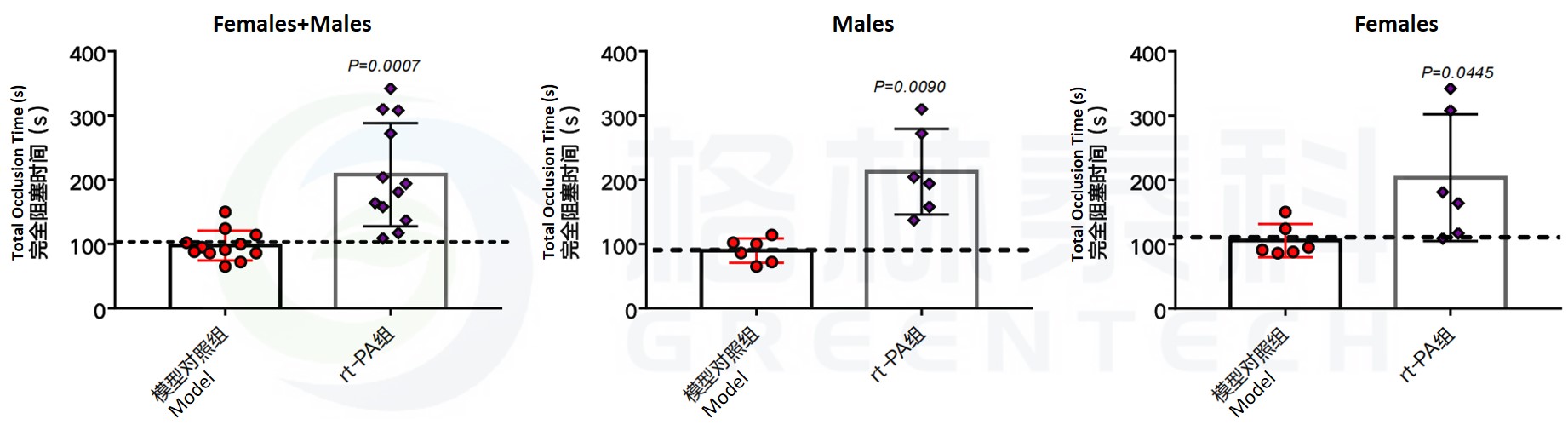
Figure 1. Electrically induced rat thrombosis model. Treatment with rt-PA (10 mg/kg) significantly prolonged the time to complete vascular occlusion
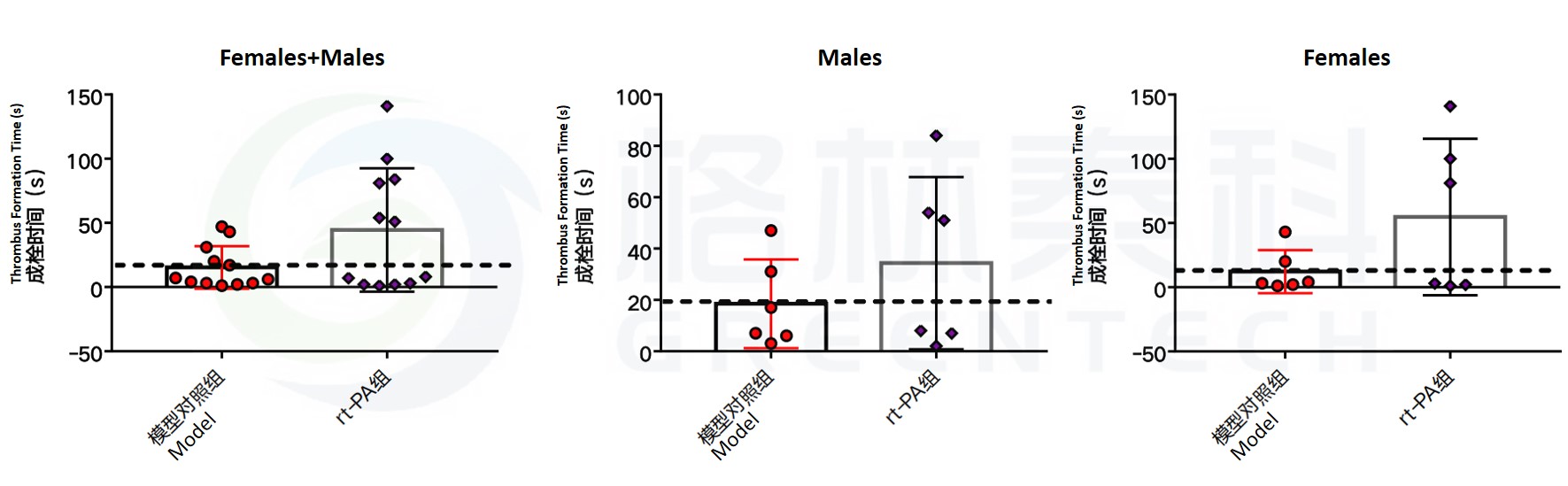
Figure 2. Electrically induced rat thrombosis model. Treatment with rt-PA (10 mg/kg) significantly prolonged the time to thrombus initiation.
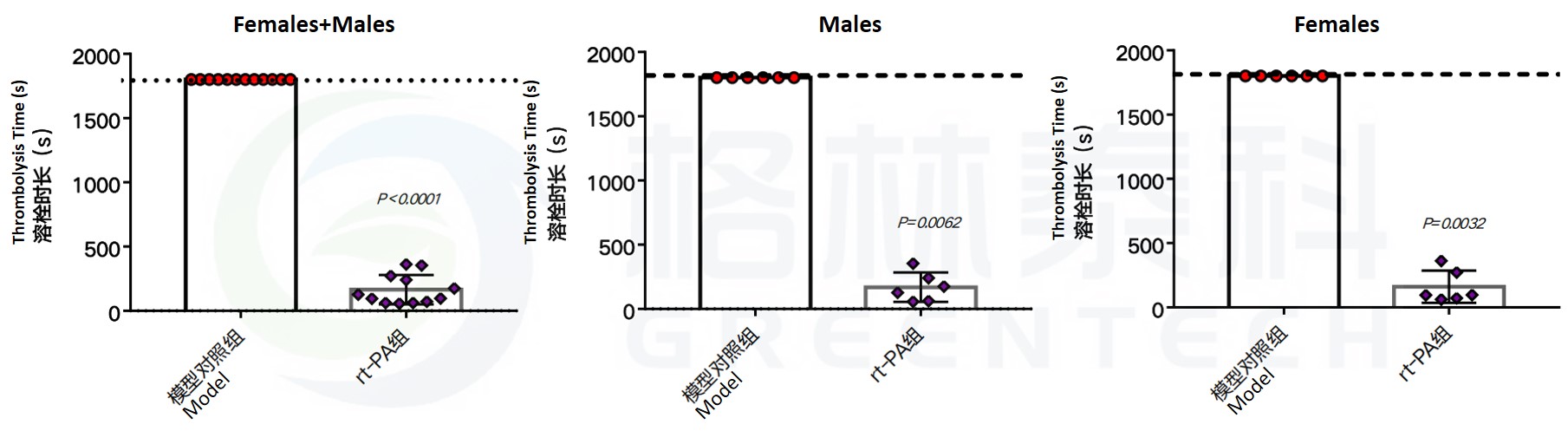
Figure 3. Electrically induced rat thrombosis model. Treatment with rt-PA (10 mg/kg) significantly shortened the time to complete thrombus lysis.
2. FeCl₃-Induced Rabbit Carotid Artery Thrombosis Model
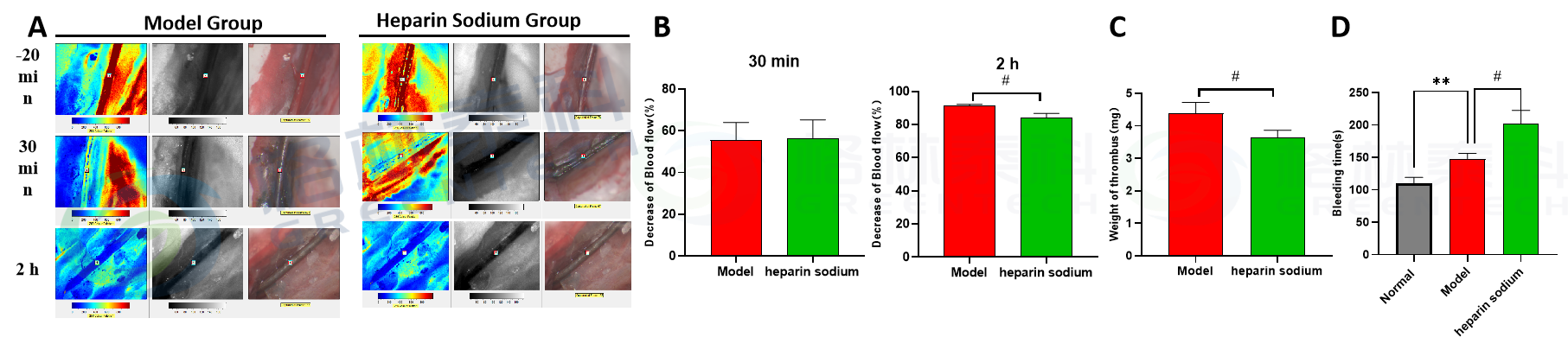
Figure 4. FeCl₃-induced rabbit carotid artery thrombosis model. Panels A and B show changes in blood flow, Panel C shows thrombus weight, and Panel D shows bleeding time.
3. Rabbit Deep Vein Thrombosis (DVT) Model
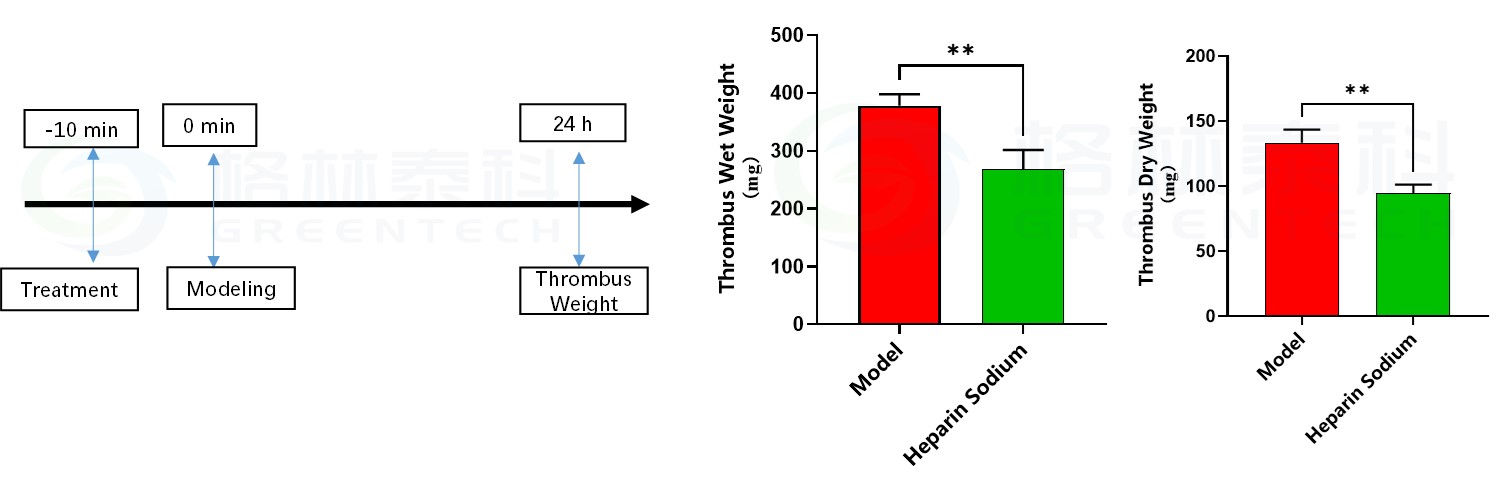
Figure 5. Rabbit deep vein thrombosis (DVT) model.
Inquiries
Request a quote now, or email us at BD@greentech-bio.com to inquire about our services or obtain a quote for your project.
References
1. Guo C. Methodology and Applications of Ferric Chloride-Induced Animal Thrombosis Models. Chinese Journal of Practical Diagnosis and Therapy. 2010;24(6):537–539.
2. Ayyoub S, Orriols R, Oliver E, Ceide OT. Thrombosis Models: An Overview of Common In Vivo and In Vitro Models of Thrombosis. International Journal of Molecular Sciences. 2023;24(3):2569. doi:10.3390/ijms24032569.
3. Zhou G, et al. Methodology for Establishing Animal Models of Human Diseases. Shanghai Scientific & Technical Publishers; 2007.
-
- CRO Services
- Cardiovascular Diseases
- Psychiatry & Neurology
- Oncology
- Metabolic Diseases
- Inflammation & Autoimmune Diseases
- Pain & Analgesia
- Bone, Joint & Cartilage Diseases
- DMPK & Non-GLP Toxicology
- In Vitro Drug Screening
- Efficacy Testing for Medical Devices
-
- Platforms
- Endovascular Surgery
- Behavioral Tests
- Histopathology
- Clinical Testing
- Bioanalysis
-
- Resources
- Brochure
- FAQ
-
- About Us
- Company Profile
- Company Culture
- Honors
- Cooperators
- Enterprise Memorabilia
-
- News & Blog
- Company News
- Blog
-
- Contact Us