

Arrhythmia Models
Cardiac arrhythmias are a major cause of morbidity and mortality worldwide and may arise from inherited genetic disorders or acquired cardiovascular diseases. Reliable preclinical models are essential for investigating disease mechanisms and evaluating the efficacy and safety of novel antiarrhythmic therapies.
Greentech offers a comprehensive portfolio of preclinical arrhythmia models, together with in vivo pharmacology and pharmacodynamic (PD) evaluation services, to support IND-enabling cardiovascular drug development for global pharmaceutical and biotechnology companies.
Our Arrhythmia Models
1. Epinephrine-Induced Arrhythmia Model
Induction: Slow intravenous administration of epinephrine
Animals: Rat, rabbit
2. Left Anterior Descending Coronary Artery (LAD) Ligation-Induced Arrhythmia Model
Induction: Permanent LAD ligation or ischemia/reperfusion (I/R) surgery
Animals: Rat
3. Barium Chloride-Induced Arrhythmia Model
Induction: Intravenous administration of barium chloride solution
Animals: Rat
Clinical Assessment
1) Echocardiography
2) Twelve-lead electrocardiography (ECG)
3) Serum cardiac biomarkers and clinical chemistry analyses
Representative Studies
1. Epinephrine-Induced Rat Arrhythmia Model
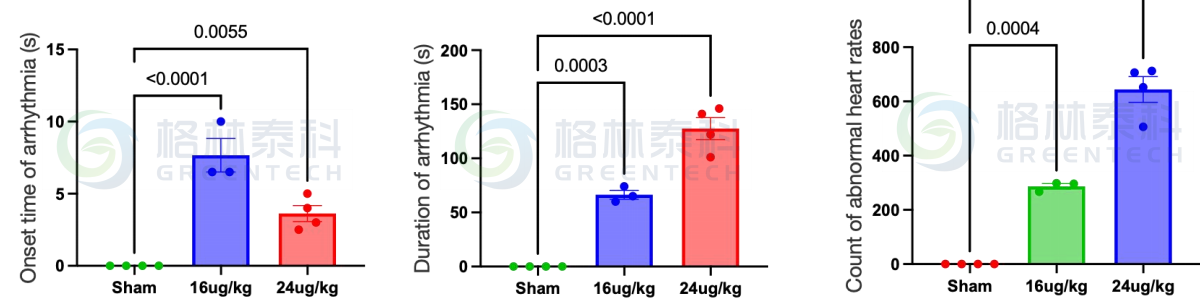
Figure 1. Representative ECG recordings during the first 10 minutes following epinephrine administration in the rat arrhythmia model.
2. LAD Ligation-Induced Rat Arrhythmia Model
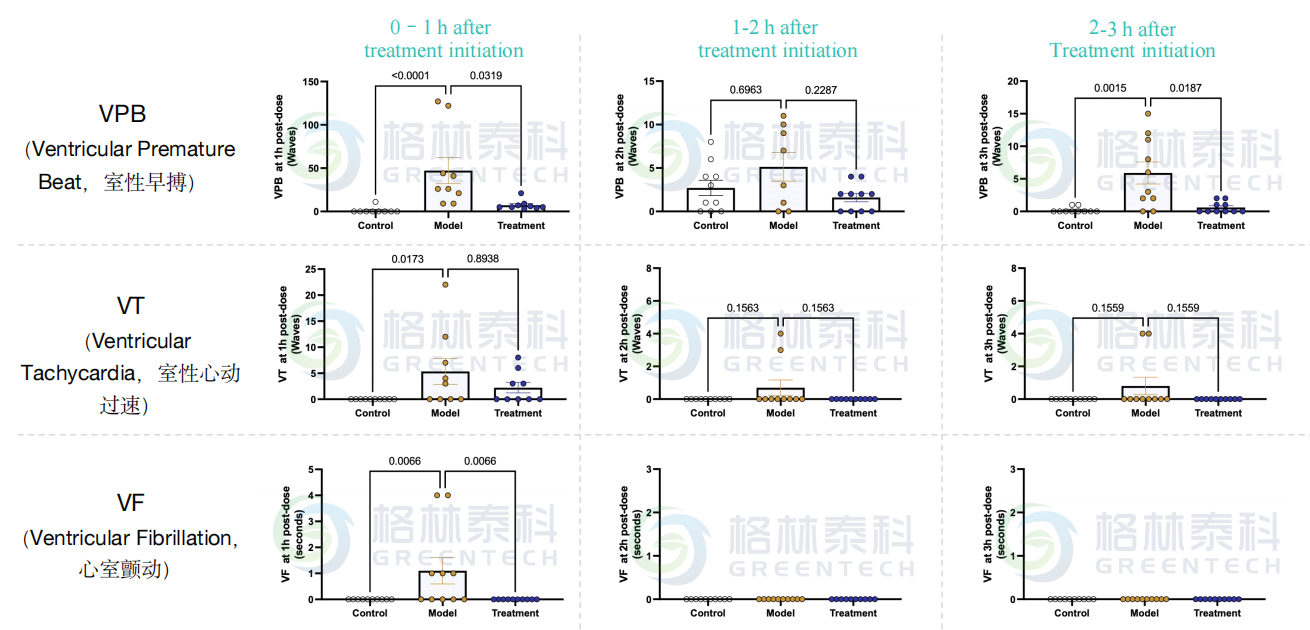
Figure 2. Arrhythmia analysis in the LAD ligation-induced rat model.
3. Barium Chloride-Induced Rat Arrhythmia Model
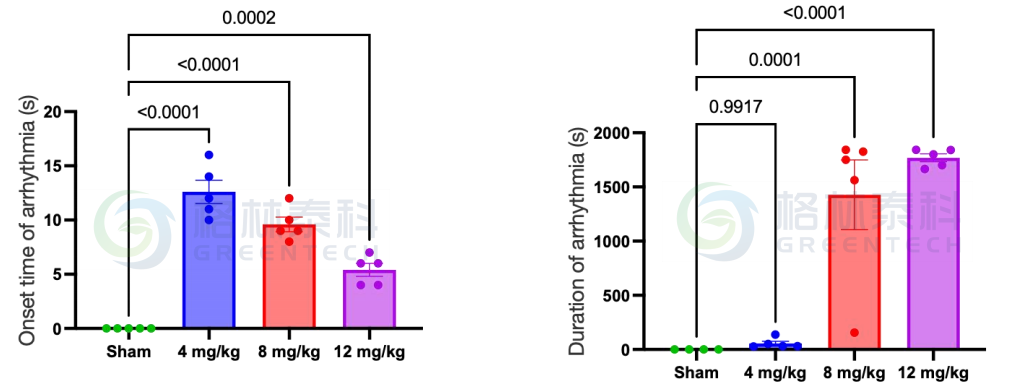
Figure 3. Representative ECG recordings during the first 30 minutes following barium chloride administration in the rat arrhythmia model.
References
1. Y.Sarne, I.Hochman, M.Eshed,E Oppenheimer.(1988) Antiarrhythmic action of naloxone: Direct, non-opiate effect on the rat heart. Life Sciences.Volume 43, Issue 10, Pages 859-864.
2. Hamlin, R. L. (2007). Animal models of ventricular arrhythmias. Pharmacology & Therapeutics, 113(2), 276–295.
3. Dobrev, D., & Wehrens, X. H. T. (2018). Mouse Models of Cardiac Arrhythmias. Circulation Research, 123(3), 332–334.
Inquiries
Request a quote now, or email us at BD@greentech-bio.com to inquire about our services or obtain a quote for your project.
-
- CRO Services
- Cardiovascular Diseases
- Psychiatry & Neurology
- Oncology
- Metabolic Diseases
- Inflammation & Autoimmune Diseases
- Pain & Analgesia
- Bone, Joint & Cartilage Diseases
- DMPK & Non-GLP Toxicology
- In Vitro Drug Screening
- Efficacy Testing for Medical Devices
-
- Platforms
- Endovascular Surgery
- Behavioral Tests
- Histopathology
- Clinical Testing
- Bioanalysis
-
- Resources
- Brochure
- FAQ
-
- About Us
- Company Profile
- Company Culture
- Honors
- Cooperators
- Enterprise Memorabilia
-
- News & Blog
- Company News
- Blog
-
- Contact Us