

Subarachnoid Hemorrhage (SAH) Model
Greentech provides validated rat subarachnoid hemorrhage (SAH) models and comprehensive preclinical pharmacology services to support the discovery and evaluation of therapeutics for hemorrhagic stroke. Backed by an experienced neuroscience research team and robust in vivo platforms, we deliver high-quality efficacy studies that support both domestic and international IND programs.
Our Rat Subarachnoid Hemorrhage (SAH) Model
Greentech has established a rat SAH model using the puncture of the intracranial artery (PIC) technique. This model closely mimics aneurysmal subarachnoid hemorrhage in humans by reproducing key pathological events, including acute intracranial pressure elevation, cerebral vasospasm, and early brain injury following aneurysm rupture.
Induction: Puncture of the intracranial artery (PIC)
Animals: Male rats
Characteristics: Neurological deficits become evident within 24 hours after surgery. Histopathological examination demonstrates characteristic pathological changes associated with subarachnoid hemorrhage, including:
1) Ischemic brain injury involving approximately 50% of the affected hemisphere
2) Cerebral edema
3) Vacuolar degeneration in the cerebral cortex and striatum
4) Neuronal apoptosis and nuclear pyknosis
5) Thickening of the vascular wall
6) Microglial activation
7) Focal areas of tissue necrosis
8) Subarachnoid hemorrhage of varying severity on the ipsilateral side
9)Congestion and dilation of small cerebral vessels
These pathological features closely resemble early brain injury observed following aneurysmal SAH in clinical patients.
Study Endpoints
Greentech offers comprehensive efficacy evaluation, including:
1) Bederson neurological deficit score for model validation
2) Garcia neurological score at 24 hours after SAH induction
3) Histopathological assessment of brain injury
4) Quantitative analysis of cerebral lesion area
Representative Studies
Rat Subarachnoid Hemorrhage (SAH) Model
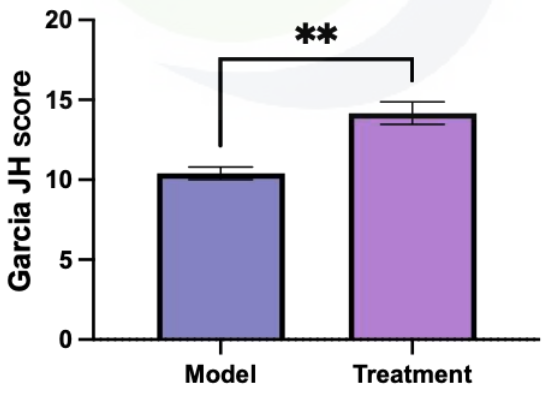
Figure 1. Blood pressure, renal function, and kidney index in the SHR model.
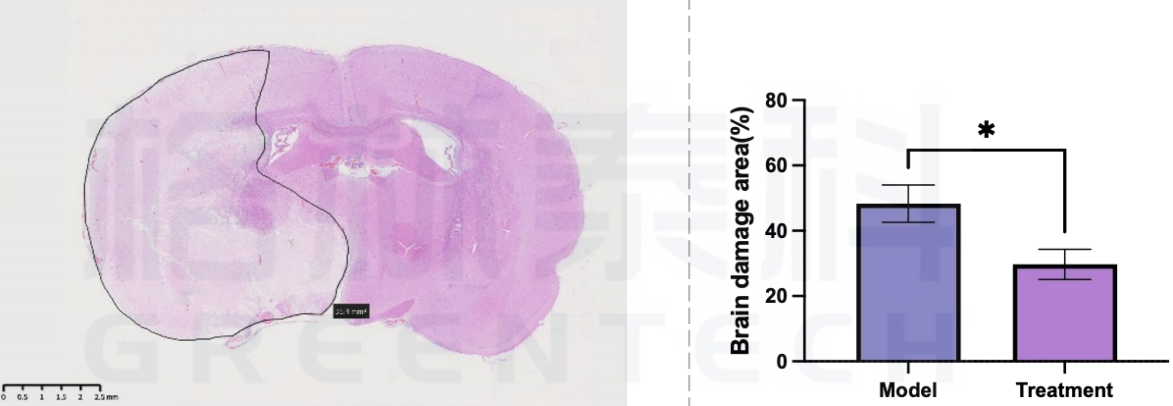
Figure 2. Representative histopathological findings and quantitative analysis of brain lesion area in the rat SAH model.
References
1. Lu Y. Loss of GCN5 Activity Contributes to Neuronal Apoptosis During Early Brain Injury Following Subarachnoid Hemorrhage in Rats: A Proton Magnetic Resonance Spectroscopy Study [Master's Thesis]. Guangzhou Medical University; 2017.
2. Hu X, et al. INT-777 attenuates NLRP3-ASC inflammasome-mediated neuroinflammation via the TGR5/cAMP/PKA signaling pathway after subarachnoid hemorrhage in rats. Brain, Behavior, and Immunity. 2021;91:587–600. doi:10.1016/j.bbi.2020.09.016.
Inquiries
Request a quote now, or email us at BD@greentech-bio.com to inquire about our services or obtain a quote for your project.
-
- CRO Services
- Cardiovascular Diseases
- Psychiatry & Neurology
- Oncology
- Metabolic Diseases
- Inflammation & Autoimmune Diseases
- Pain & Analgesia
- Bone, Joint & Cartilage Diseases
- DMPK & Non-GLP Toxicology
- In Vitro Drug Screening
- Efficacy Testing for Medical Devices
-
- Platforms
- Endovascular Surgery
- Behavioral Tests
- Histopathology
- Clinical Testing
- Bioanalysis
-
- Resources
- Brochure
- FAQ
-
- About Us
- Company Profile
- Company Culture
- Honors
- Cooperators
- Enterprise Memorabilia
-
- News & Blog
- Company News
- Blog
-
- Contact Us